
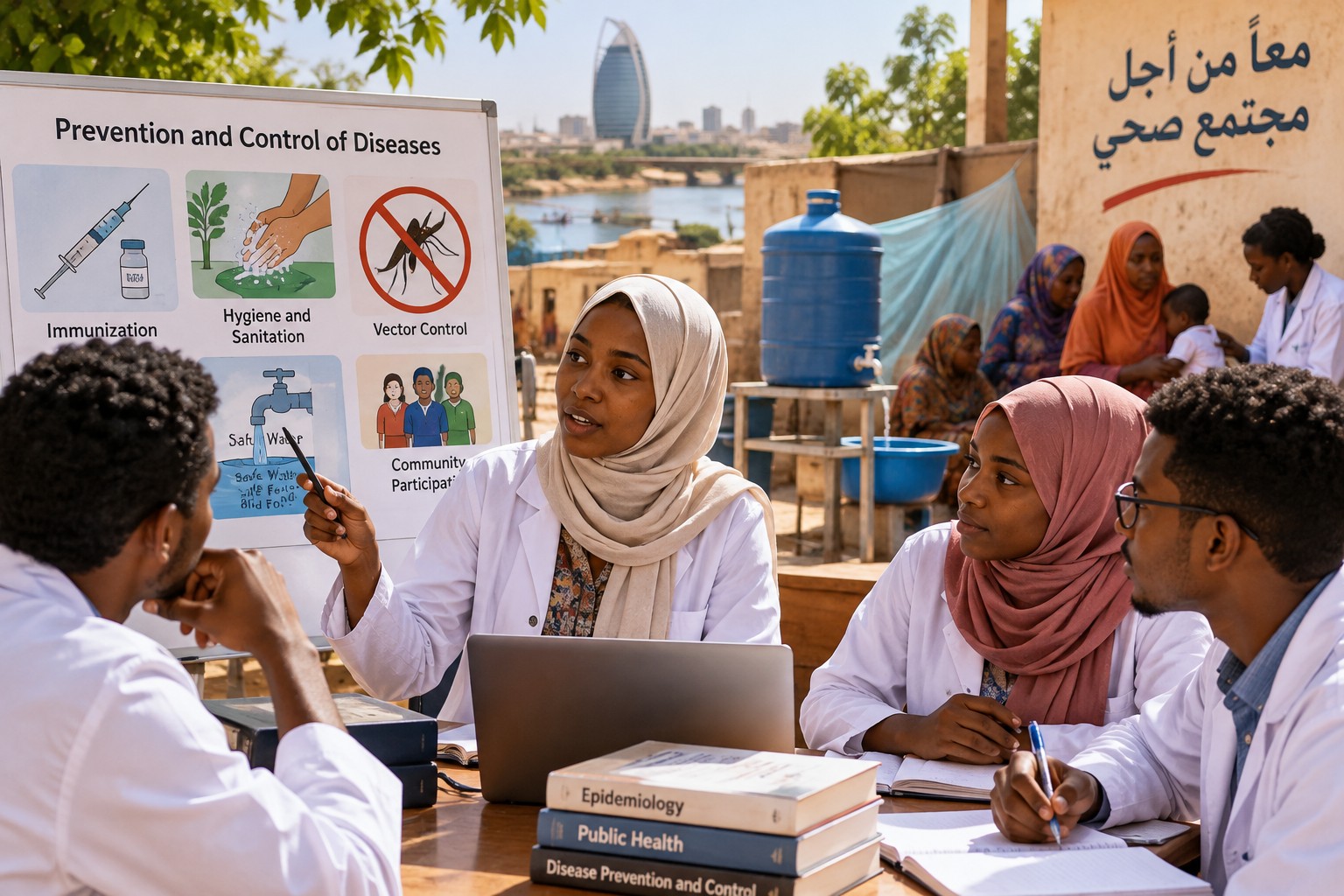
Concept of Prevention and Control of Diseases
This course introduces key principles and strategies for preventing and controlling communicable and non-communicable diseases through health promotion, immunization, environmental measures, disease-control programmes, and monitoring and evaluation.
About this course
This course introduces the fundamental concepts, principles, and strategies of disease prevention and control at individual, community, and population levels. It covers levels of prevention, population and high-risk approaches, health promotion, health protection, community participation, immunization, environmental and personal preventive measures, and the major principles of communicable disease control. Applications include respiratory, enteric, food- and water-borne, vector-borne, zoonotic, and healthcare-associated diseases. The course also addresses prevention and control of major non-communicable diseases through risk-factor reduction, early detection, policy, environmental, and health-promotion interventions. It concludes with concepts of disease elimination and eradication and the monitoring and evaluation of prevention and control programmes, including assessment of coverage, effectiveness, equity, sustainability, outcomes, and impact.